2027 Call for Papers
Meeting in the Midwest - Intersections and Intersectionalities
The Midwestern History Association invites proposals for the thirteenth annual Midwestern History Conference, hosted by the Indiana State Archives, located in Indianapolis. Dates: Thursday, May 20–Friday, May 21, 2027. Submission Deadline: Tuesday, December 1, 2026, to midwesternhistory2027@gmail.com
This year’s conference theme draws inspiration from the intracontinental and global movement of peoples, exchange of ideas, economic vitality, social dynamism, and cultural complexity that earned Indiana a reputation as a “crossroads of America.” It insists, too, that these dynamics were already shaping life in the Midwest when Native peoples and, later, arrivals from around the world knew its places by other names. By 1890, the US Census Bureau identified Decatur County, Indiana, as the mean center of population for the country. Over the next six decades, as the country continued to expand and evolve, the population center shifted westward from county to county, but that center remained within Indiana’s borders until 1950. Across centuries, people with origins in the Americas, Europe, Africa, Asia, and beyond figured centrally in Indiana’s and the broader Midwest’s development. The region’s dynamism continues to the present day.
Situating this conference at the “crossroads of America” serves as a starting point for thinking about the complex geographic and historical region that has come to be called the “Midwest,” the “Great West,” and the “heartland.” This gathering emphasizes Midwesterners’ overlapping, intersectional histories and identities—regarding gender, sexualities, race, Indigeneity, ethnicity, class, and transnationality—that have enlivened the region and textured efforts to belong in it and in the broader world. We are also interested in considering the transformative power of Midwestern history for imagining possible futures for us all.
Toward these ends, the MHA is proud to partner with the Indiana State Archives, which collects, preserves, and ensures accessibility of the Indiana state government’s historical records. The conference will be one of the first events to take place in the brand-new, state-of-the-art building in the heart of the city.
The MHA invites applicants from a variety of backgrounds, including college- and university- affiliated historians, public historians, graduate students, and independent researchers. We encourage audience engagement via visual aids, digital media, and interactive elements. Successful proposals must demonstrate sound historical methods and professional research.
Proposals for complete panels and roundtables—consisting of three or four presenters or discussants plus a moderator, chair, or chair/commentator—are strongly encouraged. Successful panels composition must reflect the differences that abound in midwestern studies, such as in race, gender, sexuality, Indigeneity, and professional rank or background. Interdisciplinarity—within an individual presentation or across a whole session—is also encouraged.
Complete session proposals should be a maximum of 1,000 words, specifying the role of and content offered by each participant. A brief cv (2 pages maximum) and contact information must also be submitted for every participant. We encourage applicants to use social media or this google doc https://tinyurl.com/MHA2027PanelConnections/ to identify and coordinate with potential co-panelists. Individual proposals are also welcome and should be a maximum of 300 words, plus brief cv. The conference organizers will make every effort to group accepted individual papers into appropriately themed panels, but please note that submitting your own complete session is the best way to ensure an engaging, focused panel.
To promote scholarly conversation and collaboration, the MHA limits participants to delivering either a single paper or presentation as part of a panel. Serving as a roundtable discussant is considered equivalent to delivering a paper or presentation. Participants, however, may also serve as a moderator, chair, or chair/commentator for one additional session. Proposals should include new historical research or innovative interpretations and should avoid substantially repeating the contents of (if relevant) a participant’s previous MHA presentations.
Participants are encouraged to become members of the Midwestern History Association. Since its creation in 2014, the MHA has advocated for greater attention to midwestern history among professional historians, enriched research and academic discourse regarding the American Midwest, offered prizes to scholars who excel in the study of the region, and developed the infrastructure necessary for these endeavors. To join the MHA, please contact the University of Nebraska Press at: https://nebraskapressjournals.unl.edu/society/midwestern-history-association/ MHA members can receive a subscription to Middle West Review, a peer-reviewed journal that seeks to promote greater understanding of the region. Members are added to an email list that provides access to news about upcoming conferences, calls for papers, and other proposals related to midwestern history.
Graduate students may apply in early 2027–upon notification of acceptance–for a limited number of travel grants. Please watch for a separate announcement.
Please direct all questions, inquiries, and proposals to midwesternhistory2027@gmail.com
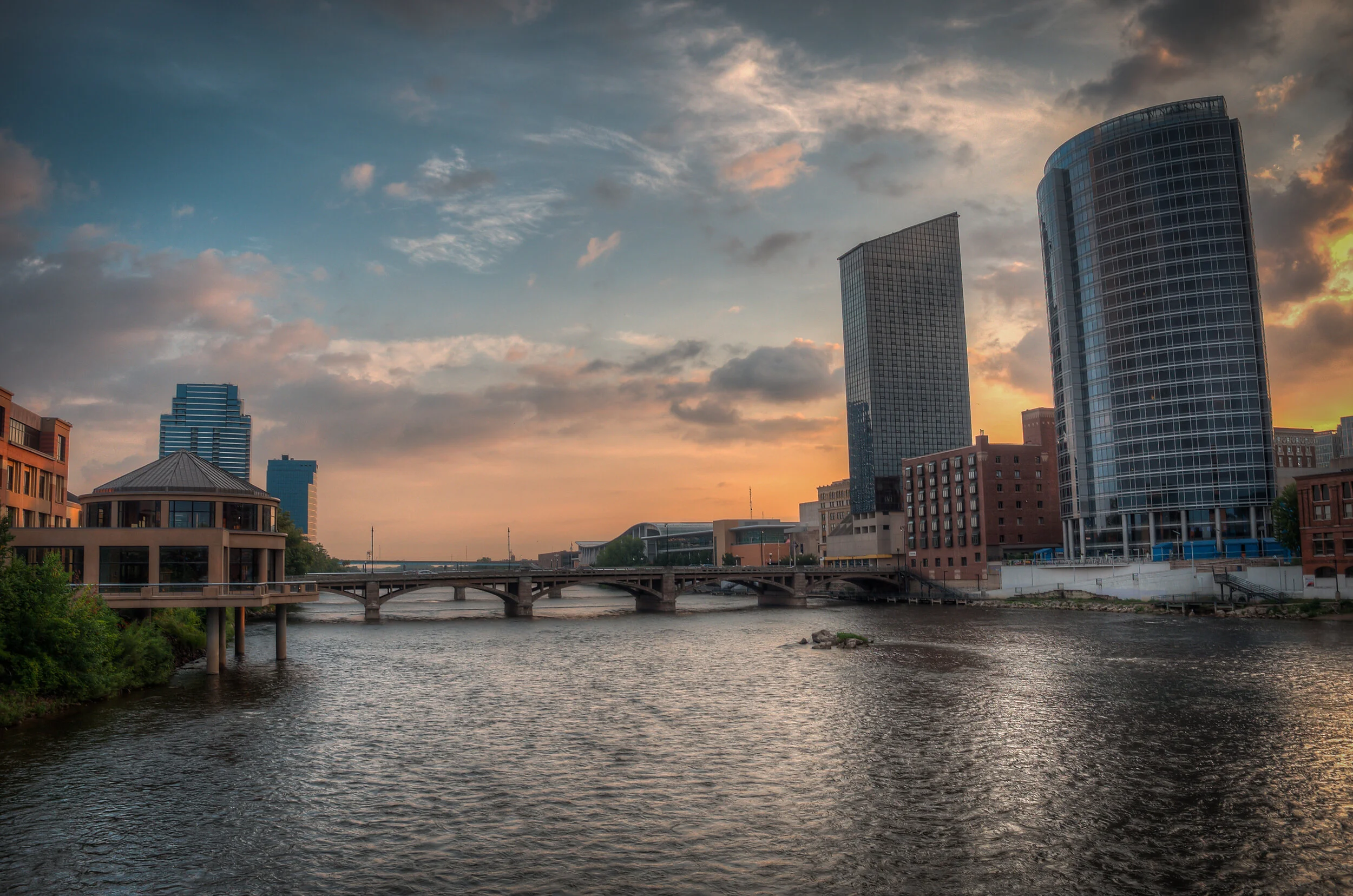
Photo by Joshua Young on Flickr